
N𰁅𰆃S𰆆𰀀𰄖𰁨𰂒A Not Acceptable
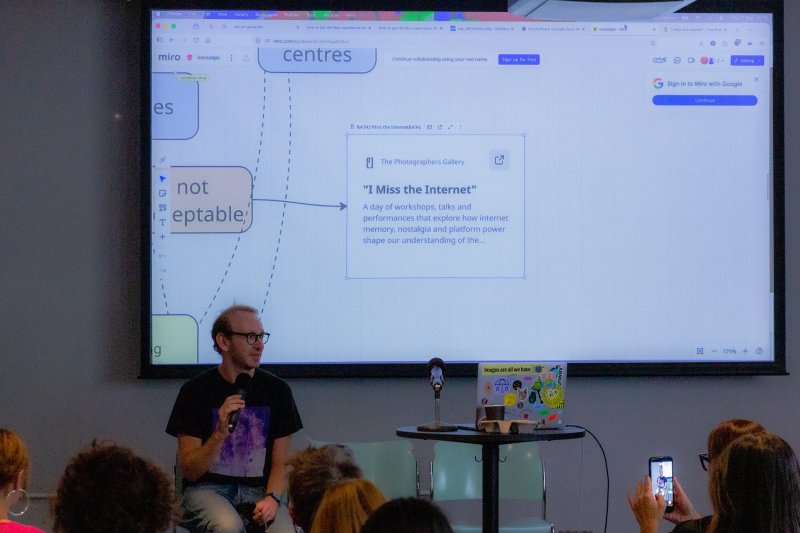
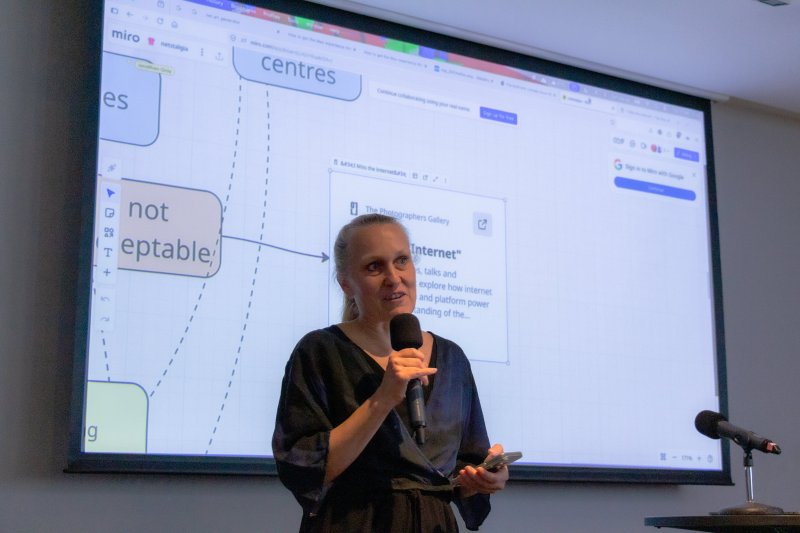
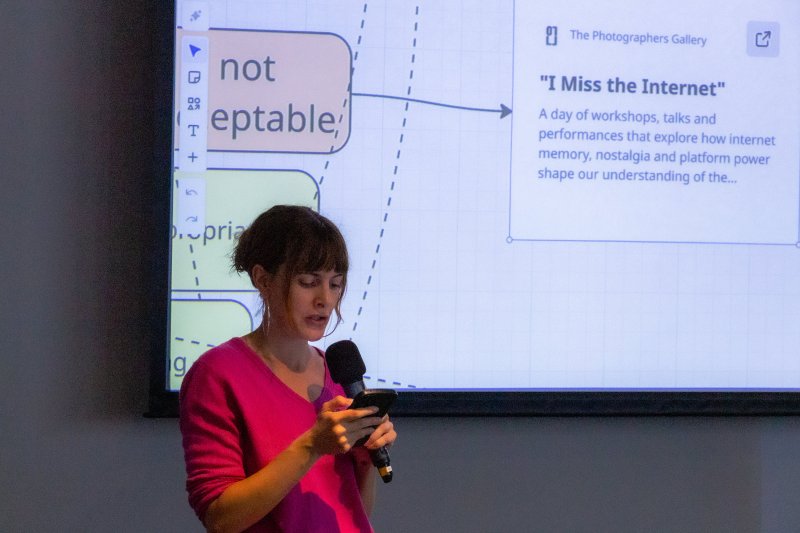
Discussion with Jonathan W. Y. Gray, Olia Lialina and Winnie Soon as part of "I miss the Internet"
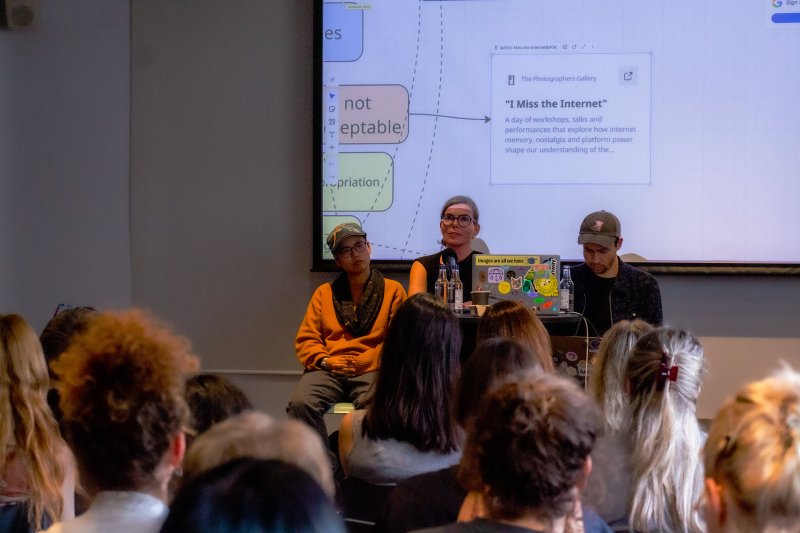
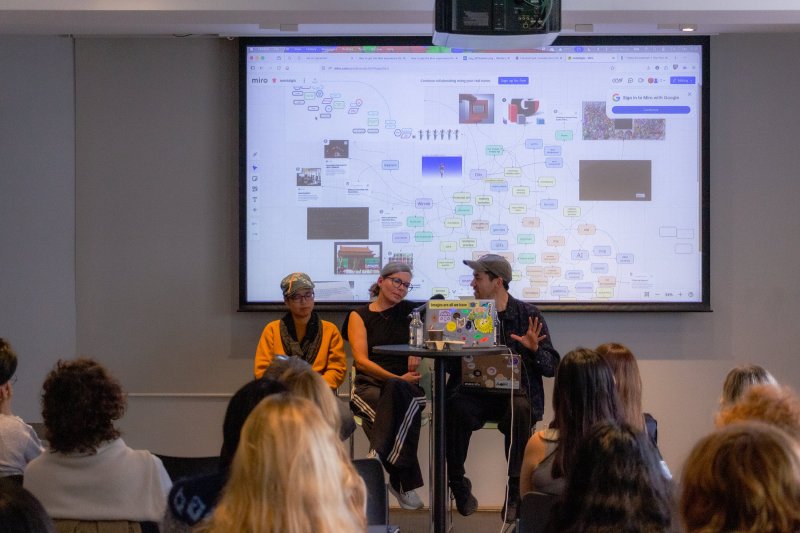
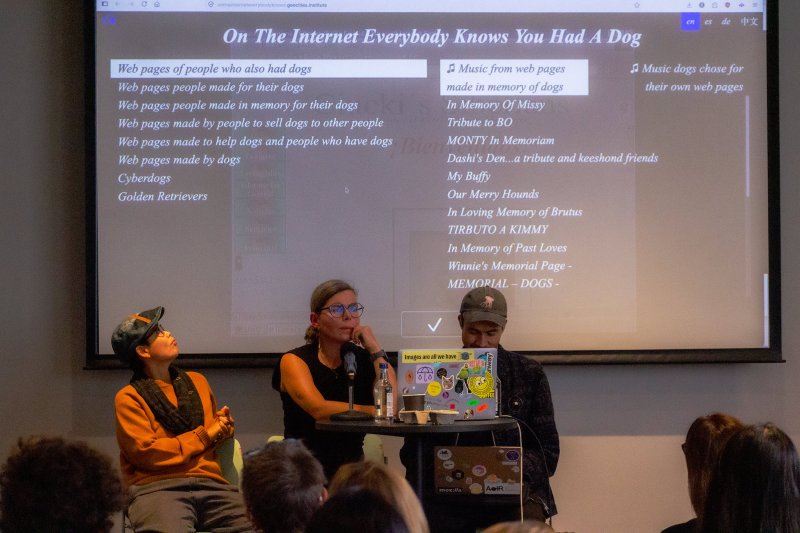
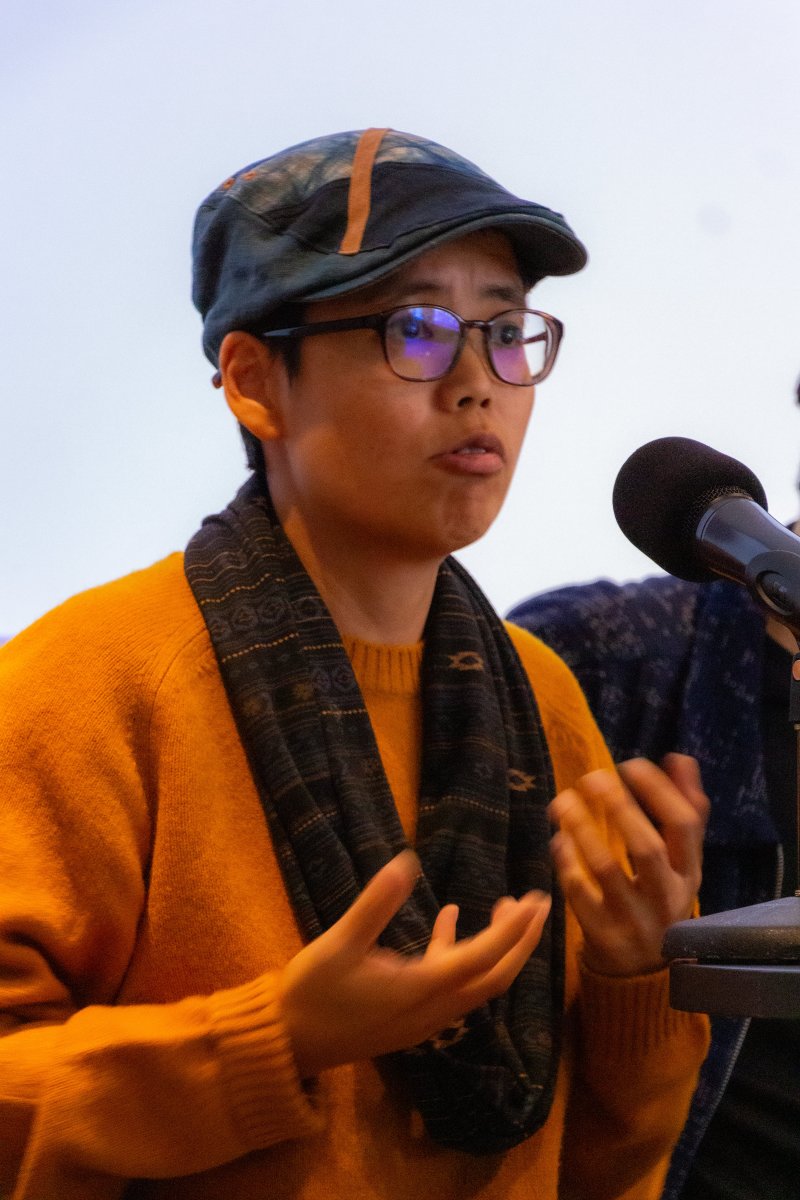
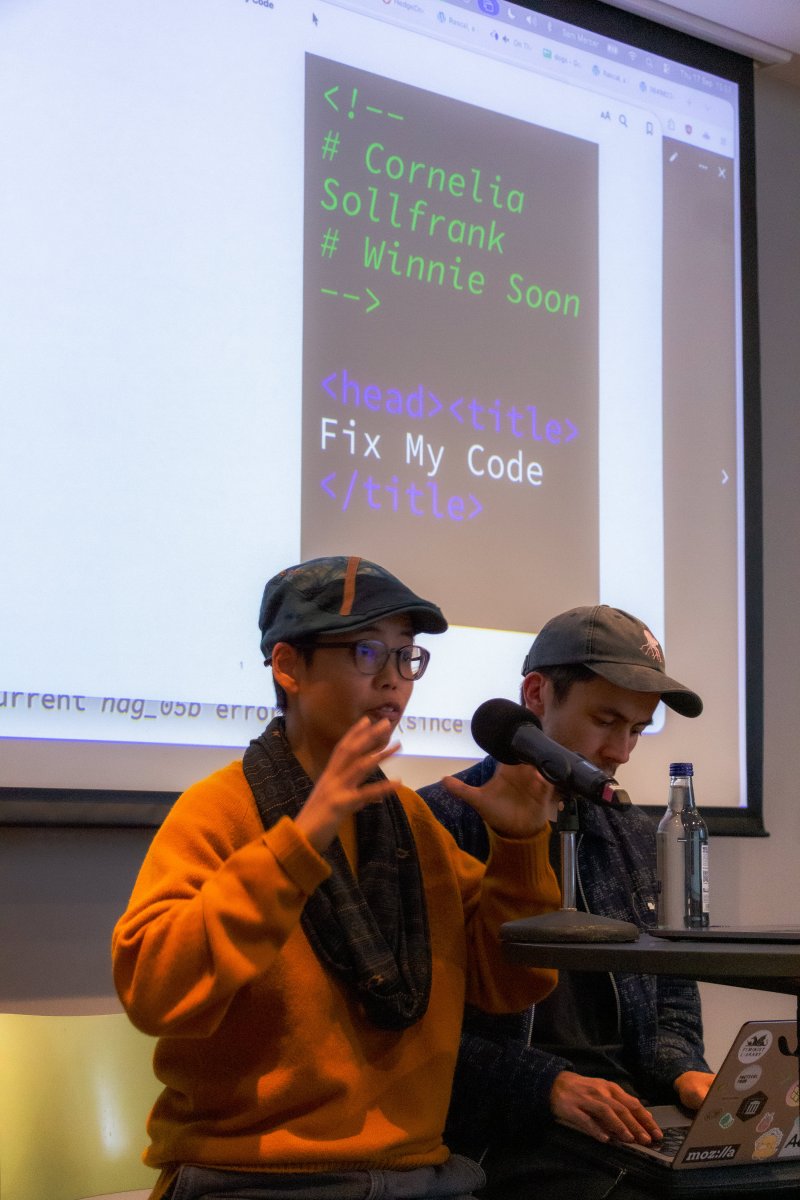
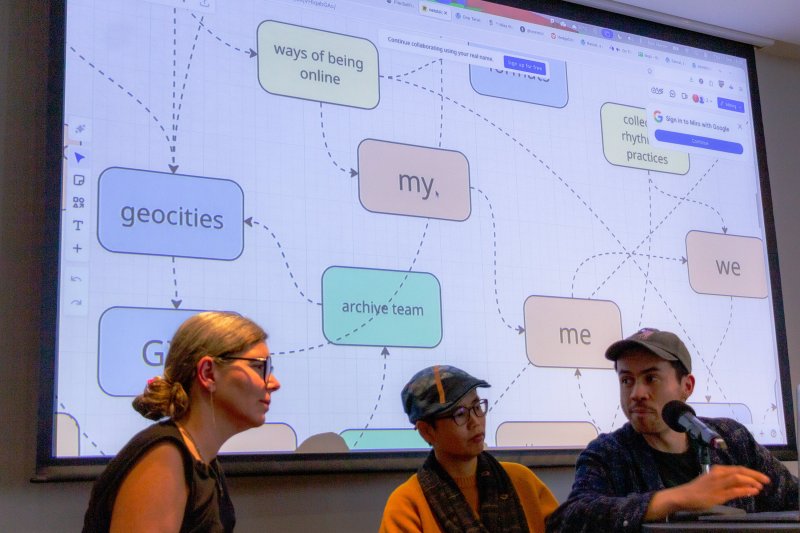
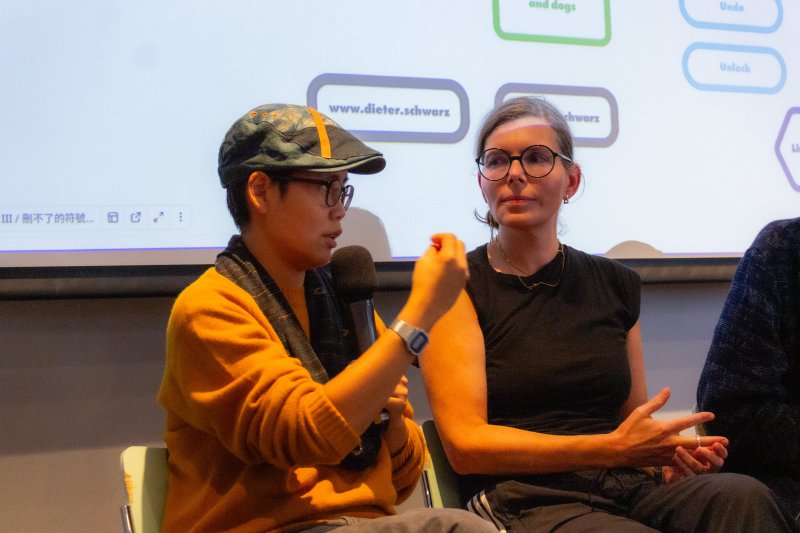
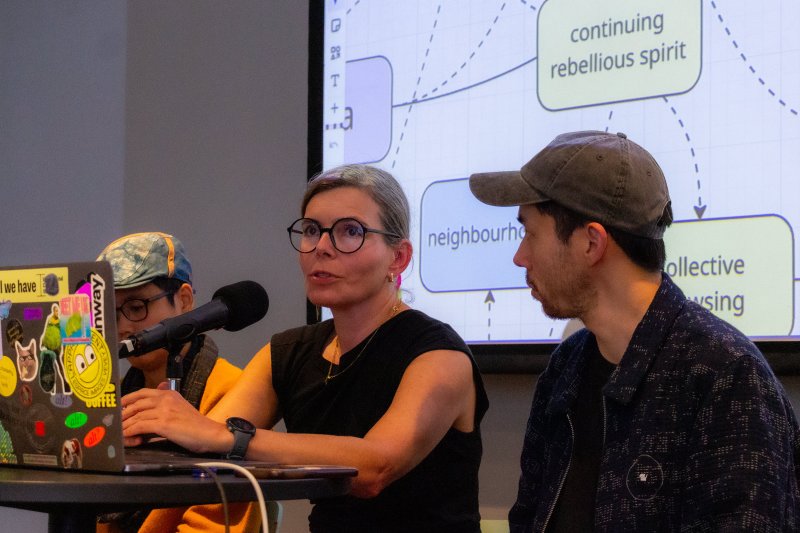
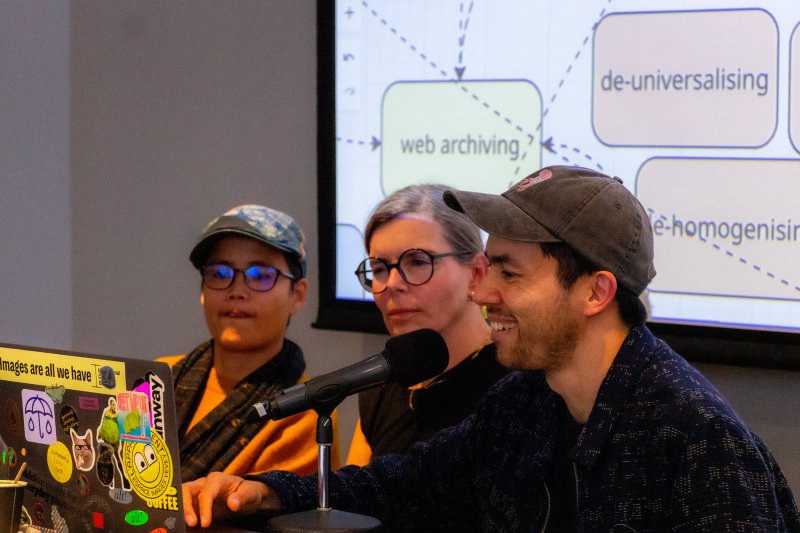
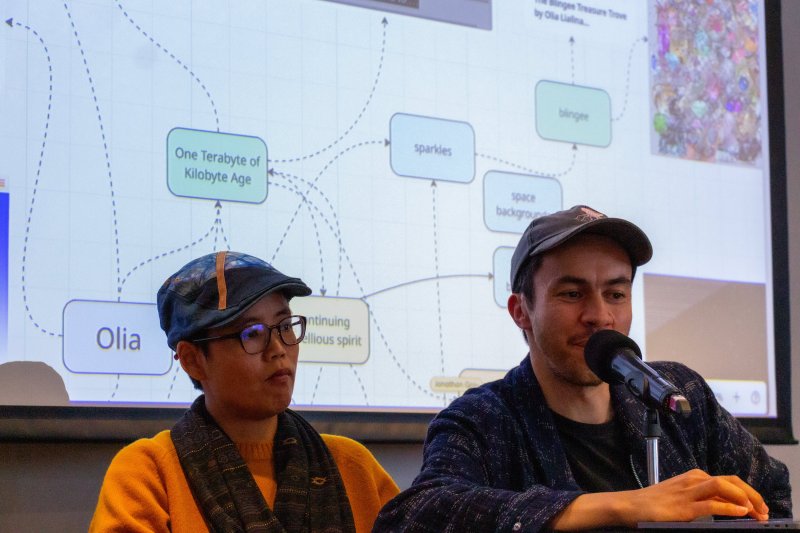
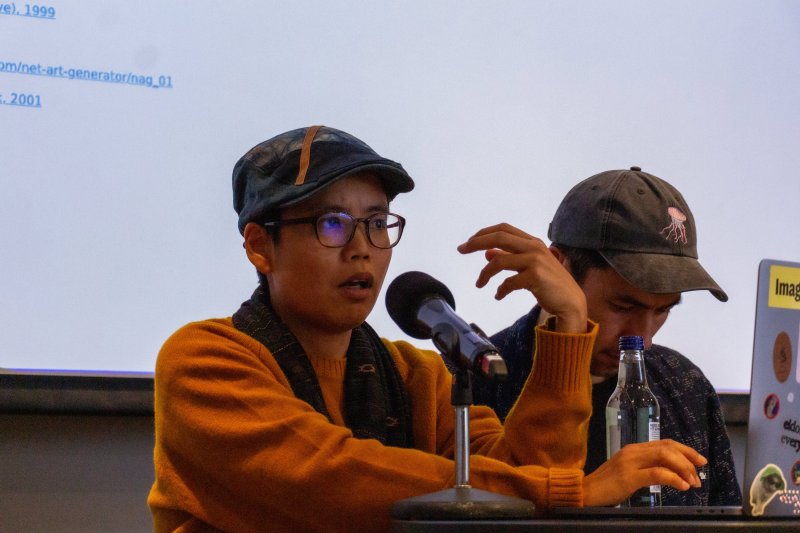
Bringing together artists and researchers Olia Lialina, Winnie Soon and Jonathan W. Y. Gray, the conversation at The Photographers’ Gallery in London explored how the infrastructures, platforms and technical standards of the web shape what is preserved, what disappears and how internet histories are remembered.
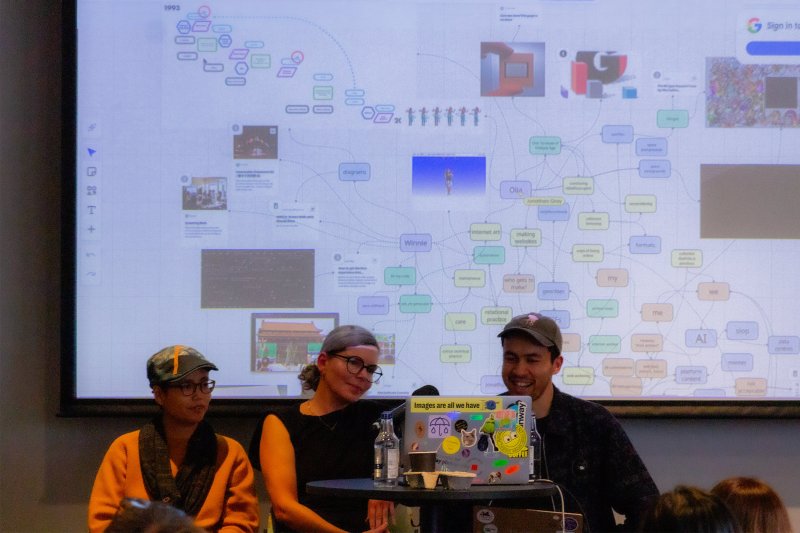
Netstalgia Not Acceptable
Taking Lialina’s GeoCities Research Institute, an ongoing digital art and archiving project exploring and preserving early web vernacular culture through a one-terabyte archive of GeoCities websites, and Soon’s Fix My Code, a collaborative project with Cornelia Sollfrank centred on the attempt to repair and reactivate Sollfrank’s 1990s net.art generator, as points of departure, the discussion considered what happens to networked artworks and online archives as the technical environments they depend on change, break or disappear.
The conversation also questioned the nostalgic filters through which histories of the internet are often viewed. Presenting his research on k-platforms, a collaborative project investigating the histories, cultures, infrastructures and economies of South Korean digital platforms and online spaces, Gray reflected on geographically and culturally specific histories of networked culture and on is overlooked when internet histories are told primarily through dominant US-based platforms.
Vernacular practices offered further ways of thinking about preservation, infrastructure and technological change, namely as methods for understanding how digital systems work, whose practices they support and what forms of agency they make possible rather than attempts to recover the past only.
Connecting to Error 417’s annual topic Netstalgia Not Acceptable, the discussion asked how we might look back at internet histories without flattening them into netstalgia, while still returning to practices, technologies and possibilities from the past that can help us critically understand and imagine alternatives to the webs of the present.
A𰀖𰄶𰆓T 𰆆𰂂𰁅 𰀀R𰆅I𰅶T𰅶
Olia Lialina
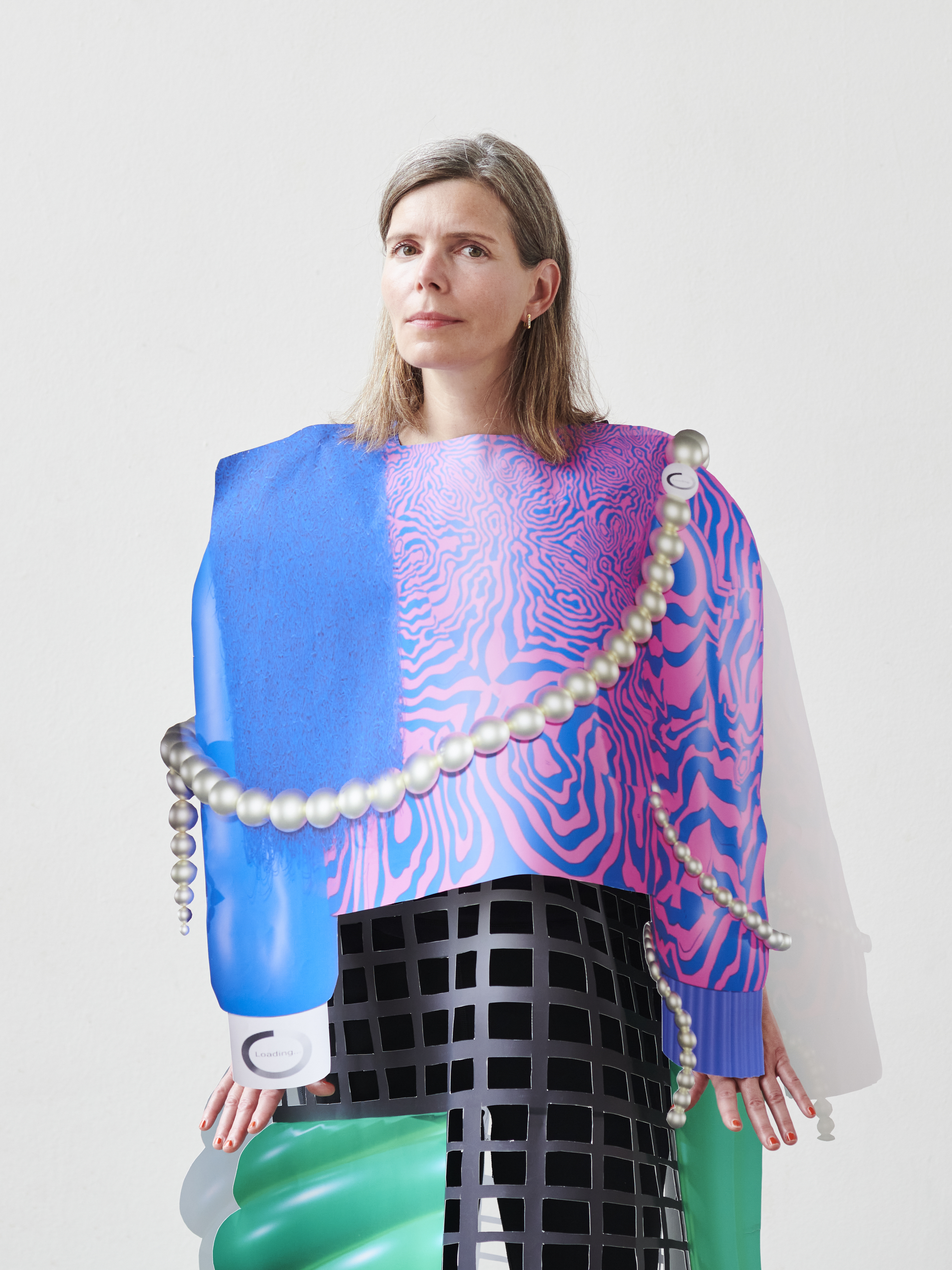
Olia Lialina is among the best-known participants in the 1990s net.art scene – an early-days, network-based art pioneer. Her early work had a great impact on recognizing the Internet as a medium for artistic expression and storytelling. This century her continuous and close attention to user culture, “net.language” and vernacular web expression has made her an important voice in new media and post-digital studies. She is cofounder and keeper of One Terabyte of Kilobyte Age archive, author of Digital Folklore (2009) and Turing Complete User (2021), professor at Merz Akademie in Stuttgart, Germany; and an animated GIF model.
Winnie Soon
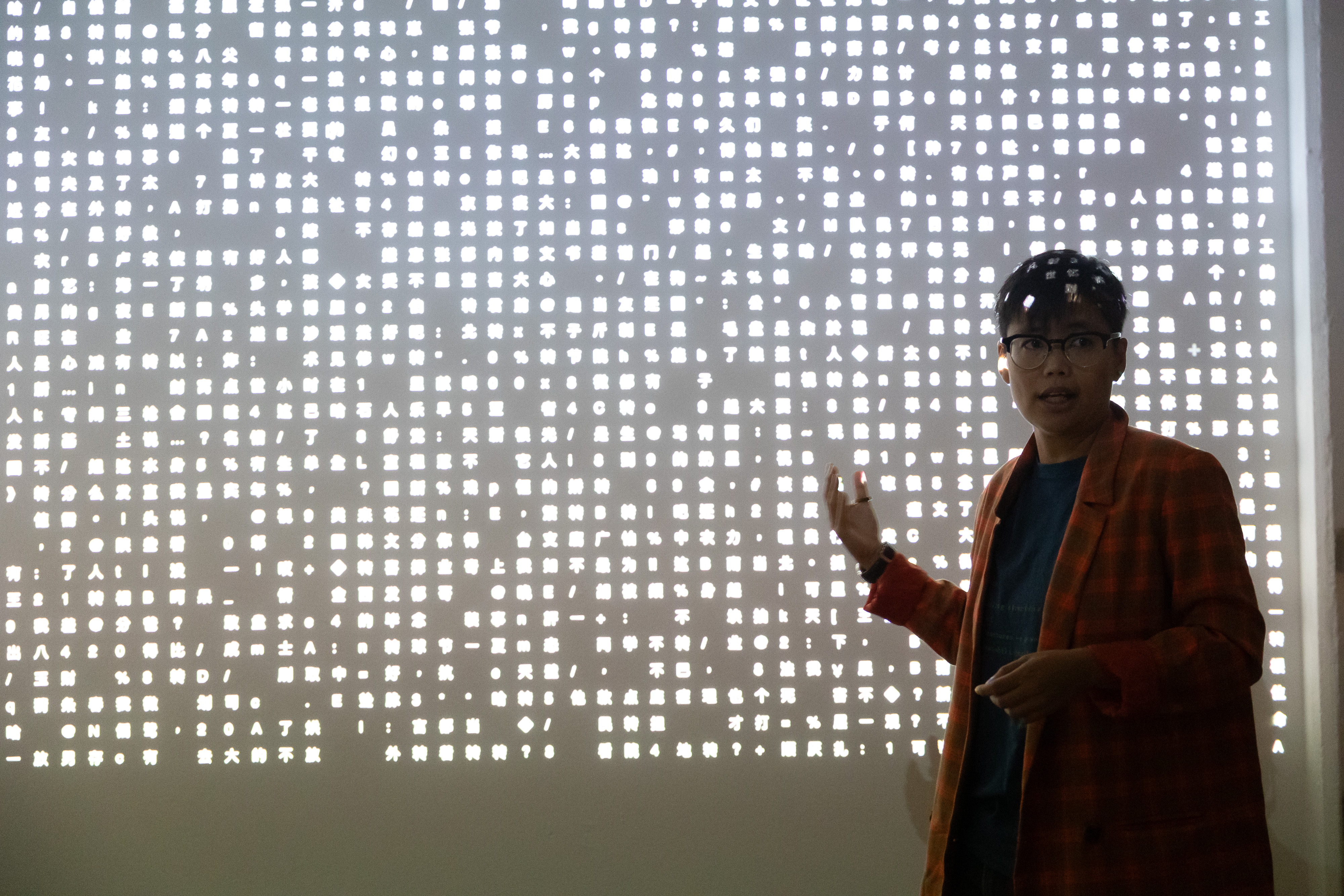
Winnie Soon is a Hong Kong-born artist coder and researcher interested in the cultural implications of digital infrastructure that addresses wider power asymmetries with a particular interest in computational publishing, queering code and software. Their artistic and scholarly works engage with themes such as Free and Open Source Culture, Coding Otherwise, artistic/technical manuals, digital censorship and minor technology. With works appearing in museums, galleries, festivals, distributed networks, papers and alternative written forms, including co-written books titled Publishing as Collective Infrastructure (forthcoming 2026), Boundary Images (2023), Fix My Code (2021), and Aesthetic Programming* (2020), Winnie is also the co-editor of the Software Studies Book Series (MIT Press).
Jonathan Gray
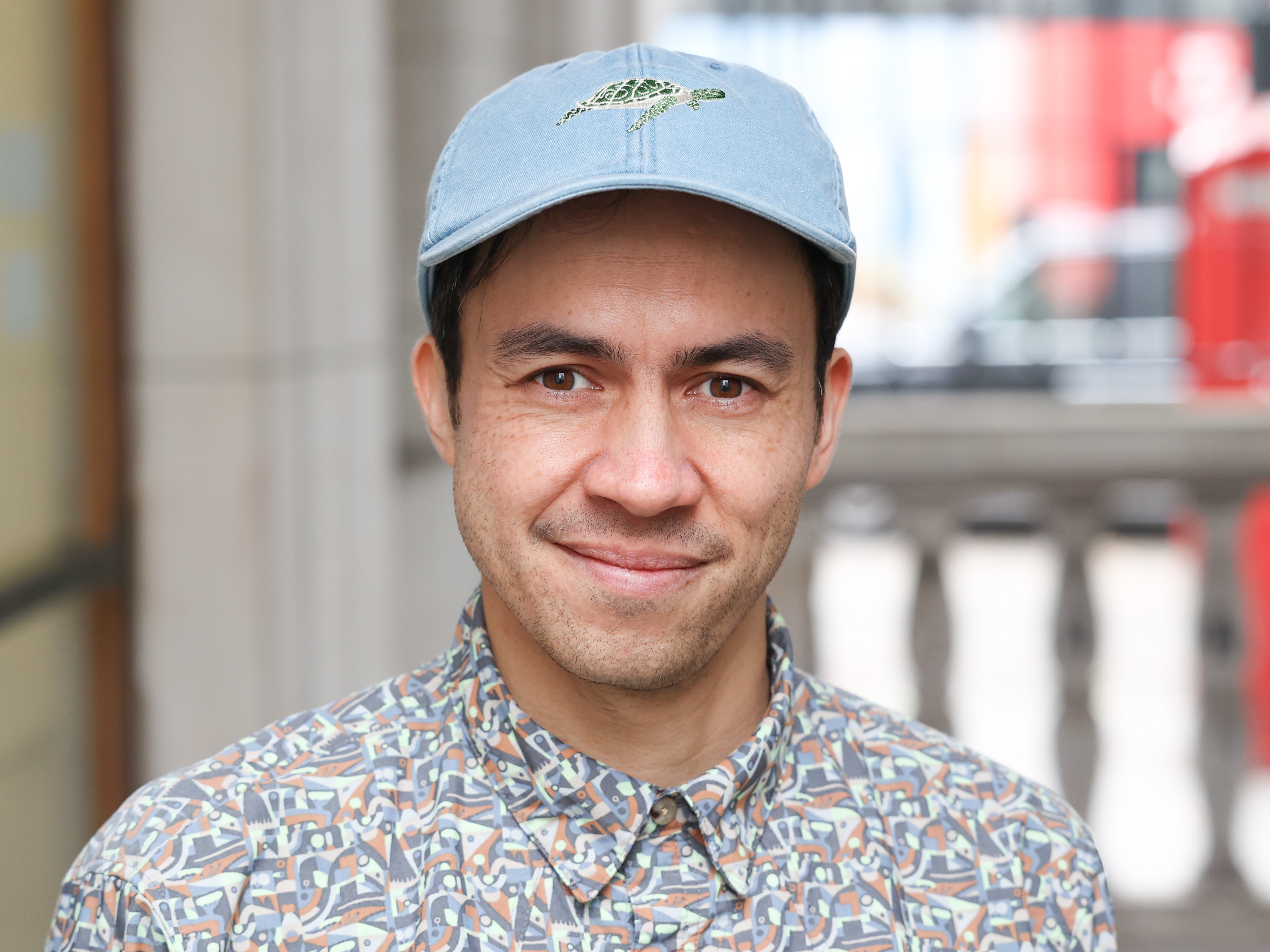
Jonathan W. Y. Gray explores the roles of digital data, methods and infrastructures in shaping how we know and live together. He is the author of Public Data Cultures (Polity, 2025). At King’s College London, he is Reader in Critical Infrastructure Studies at the Department of Digital Humanities and Co-Director of the Centre for Digital Culture. He is also co-founder of the Public Data Lab; research associate at the Digital Methods Initiative (University of Amsterdam) and the médialab (Sciences Po, Paris); and has taught with the School for Poetic Computation in NYC.
About the Event
“I miss the Internet”, was a day of workshops, talks and performances that explored how internet memory, nostalgia and platform power shape our understanding of the web’s past, present and future. Presented in collaboration with Sam Mercer and The Photographers' Gallery in London on Thursday, September 17, 2026.