Error 406
N𰁅𰆃S𰆆𰀀𰄖𰁨𰂒A
Not Acceptable
Toggle navigation
  • Home
  • News
  • Error 406
  • Error 415
  • Collaborators
  • Essays
  • Exhibition now live
Logo

ERROR 406
N𰁅𰆃S𰆆𰀀𰄖𰁨𰂒A
NOT ACCEPTABLE

Selected Projects

Jul 12, 2026

The selected projects of our second annual open call, Error 406 [Netstalgia] Not Acceptable, examine and reimagine the uneven distribution of power embedded in internet standards.

The projects recover overlooked contributors to internet histories, expose and subvert deeply rooted hierarchies, investigate the political and material continuities of network infrastructures, develop alternative tools that acknowledge the environmental costs of digital technologies, and question the inherited conservative logics that still impact online spaces.

The submissions offered thoughtful and nuanced perspectives on network conditions, online cultures, and the structures that organize life on and through the internet. It was inspiring to see so many projects challenge dominant narratives about the web past and present through investigations of protocols, platforms, archives, governance, and internet standards. Across a wide range of contexts and approaches, the proposed projects explored strategies of resistance, intervention, refusal, repair, and collective reimagination, while pointing toward technological and social infrastructures that serve shared needs rather than extract from them.

While we regret that we are only able to support a small fraction of the many outstanding proposals, the breadth and quality of the submissions speak to the urgency of these questions and the richness of artistic engagement with them. The jury—Chia Amisola, Olia Lialina, and Vladan Joler—selected eight projects that reflect the diversity of the applications, both in their thematic approaches and the contexts from which they emerge. The selected projects will receive a total of €44,800 in support, mentoring sessions with the jury members, and will be presented in an online exhibition in winter 2026/27.

Selected Projects

𰄡𰀅𰅩T𰂄𰀁 R𰅀𰅂𰆆 — EYE CHECK
L𰅅𰄓A O𰀲E𰄓𰅆𰄑𰀅 — Out of Scope
𰀃N𰁨𰁁𰄔𰂐𰅵SA 𰄡𰁉𰄔𰂈𰅹𰆀A — Ghariban
𰀱𰂐𰅴𰄣𰅁V𰀀𰆆𰂆O𰄲.𰄴R𰁨 — A Post-Video Web Format
𰅧U𰈔 C𰁁Z𰀀𰅩 𰀦𰀃𰄡𰅗𰅄S — Infradesconexão: Praia do Futuro
𰂆Z 𰅘𰀅𰁉𰁹𰅦 — EM_BED_DING AND EN_CRIP_TING INTERNET HISTORIES
𰄓𰅀𰄣G 𰆆𰅲A𰄲 — Massive multiplayer online role-playing game
Y𰆙𰁠𰁅𰄣G 𰈦𰁷A𰅁 & 𰅧𰂒𰀩𰂂𰀀𰅦𰀲 𰄖𰁇W𰁉𰂒 𰂄𰆙𰀅𰄤𰁩 (AKA SW𰂆T𰀩𰂄ER𰂇𰆀T𰂒𰀠 𰆆𰁅LECO𰄡M𰆙N𰂇𰀡ATI𰅁𰄨S) — bundleware

Linked collaborators

  • Long Tran
  • Lola Odelola
  • Angelissa Melissa
  • DISNOVATION.ORG
  • Ruy Cézar Campos
  • Iz Paehr
  • Yufeng Zhao and Richard Lewei Huang (a.k.a. Switcheristic Telecommunications)
  • Martha Root

𰄡𰀅𰅩T𰂄𰀁 R𰅀𰅂𰆆
EYE CHECK

Martha Root: Eye Check

Eye Check maps the infrastructure that keeps platforms hosting non-consensual sexual content online — registrars, hosts, CDNs, payment processors, ad networks. None of them consider themselves responsible. All of them are. Across four strands the project makes that chain navigable, documents the takedown systems survivors are forced to fight through, and turns the asymmetry of online anonymity, protection for perpetrators, exposure for everyone else, into its central problem.

Selected for its bold investigation of the infrastructures behind platform-enabled violence, exposing the governance vacuums produced by ideologies of neutrality while developing a transferable methodology for intervention and accountability.

— Jury Statement

Martha Root

I am martha. I pwn fascists.

linktr.ee/back2TheR00t 

L𰅅𰄓A O𰀲E𰄓𰅆𰄑𰀅
Out of Scope

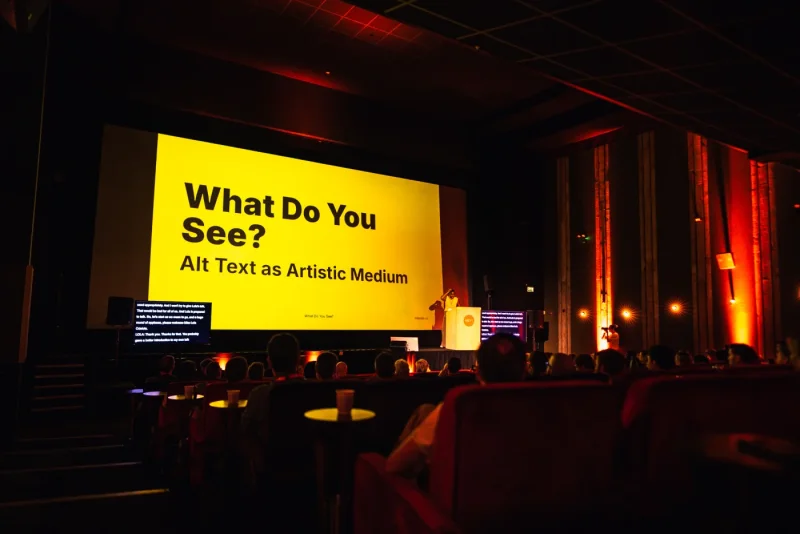
Lola Odelola speaking at "All Day Hey" conference 2025

Out of Scope challenges the foundational principles of the web by asking “what if the web was made with Yoruba epistemology?”. The founding architecture of the web itself is assumed to be culturally neutral and relies on the myth of the old web being widely accessible. Out of Scope doesn’t assume a Yoruba web would be better, rather I want to challenge the audience to consider assumptions that exist in the making of the web and encourage them to think of alternative webs.

Selected for putting into question the assumption of a universal web and exposing cultural bias by reimagining core web standards.

— Jury Statement

Lola Odelola

Lola is a multidisciplinary artist and technologist. She is curious about alternative forms of navigating and experiencing the web. Her work ‘What Do You See?: Alt Text as Artistic Medium’ asked an audience to reconsider their definition of an “image” and interrogate how the visual can be presented in alternative forms such as text. Drawing on the work of Evgen Bavcar, Geraldo Nigenda, Toni Morrison, Jack Whitten and alttextselfies.net, Lola encouraged the audience to create images using ekphrastic poetry and consider how they might describe the abstract pieces of Jack Whitten to a blind viewer. Lola’s technical work extends into open standards through various W3C groups including the W3C Technical Architecture Group where she serves as a co-chair.

lolaslab.co instagram.com/lolaodelola.art lolaodelola.bsky.social lolaodelola@mastodon.social 

𰀃N𰁨𰁁𰄔𰂐𰅵SA 𰄡𰁉𰄔𰂈𰅹𰆀A
Ghariban

Angelissa Melissa: Ghariban

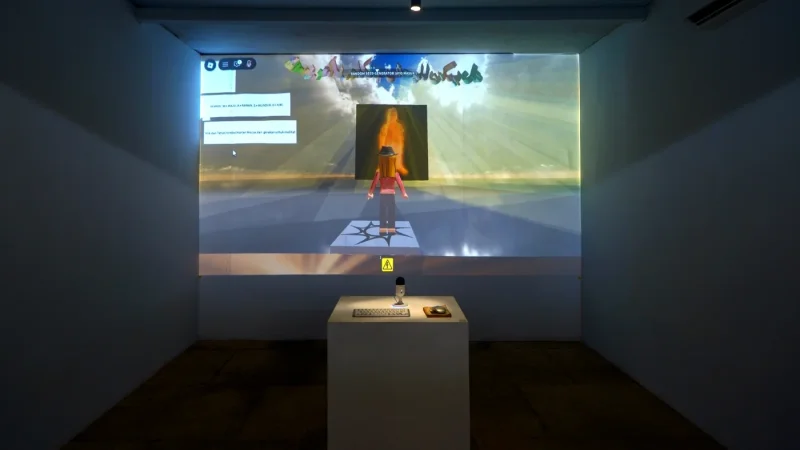
Ghariban is a Roblox game that uses a random seed generator to produce dozens of unstable, coexisting versions of Nyi Mas Gandasari — a warlord whose story has been obscured across Keraton documents, colonial records, and oral history. Players navigate competing versions of her life drawn from different political orders, including a suppressed account of her gender transition, without any single version resolving into fact. The work asks how we measure a history that was never meant to be found, and what it means to inherit a past that keeps generating differently each time we look.

Selected for foregrounding the internet’s ambivalence as a contested environment where freedom of expression is unevenly produced and where cultural memory and visibility function as active forms of resistance under conditions of surveillance and targeting of LGBTIQ  bodies.

— Jury Statement

Angelissa Melissa

Angelissa Melissa (b. 2003) is a media artist, researcher, and filmmaker based in Depok, Indonesia. Her work spans across visual art, media art, and film. Trained in philosophy, she uses situated knowledge as counter-cartography. Tracing lineages that records obscure, building systems where audiences are invited to measure history that speaks unfathomable. Her practice is rooted in her intersex background and a commitment to communities that are marginalized.

instagram.com/Angelissamelixanumber2 

𰀱𰂐𰅴𰄣𰅁V𰀀𰆆𰂆O𰄲.𰄴R𰁨
A Post-Video Web Format

DISNOVATION.ORG: A Post-Video Web Format

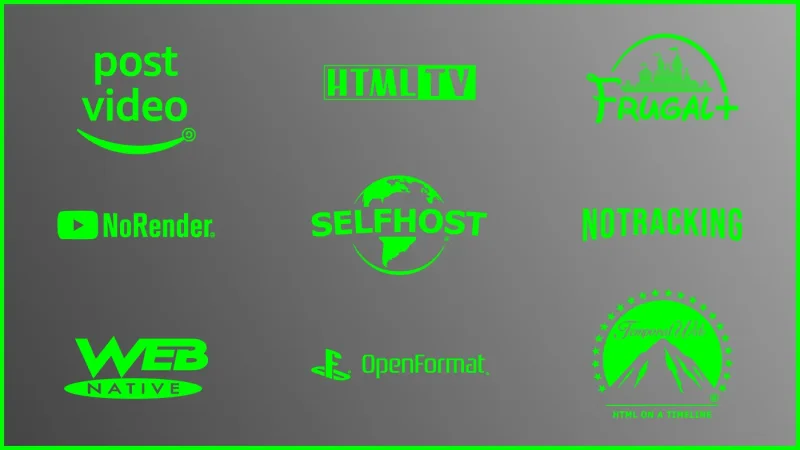
An open-source format for lightweight audiovisual storytelling beyond conventional video streaming. Built from native web elements, it proposes more accessible, adaptable, and platform-independent forms of time-based media.

Selected for critically dismantling both platform nostalgia and techno-utopianism by developing a low-carbon browser-native cinema.

— Jury Statement

DISNOVATION.ORG

DISNOVATION.ORG is an artistic research collective working across art, science, and critical technology. Their installations, videos, and publications expose the material conditions of contemporary life by exploring the links between energy, ecology, economy, and technological narratives. Between investigation, speculation, and experimentation, the collective makes tangible the ecological dependencies that dominant narratives tend to obscure. Their work has been presented internationally at Centre Pompidou, Palais de Tokyo, ZKM, Ars Electronica, HEK, ISEA, Chronus Art Center, and HKW Berlin.

disnovation.org tldr.nettime.org/@disnovation instagram.com/disnovation 

𰅧U𰈔 C𰁁Z𰀀𰅩 𰀦𰀃𰄡𰅗𰅄S
Infradesconexão: Praia do Futuro

Ruy Cézar Campos, still from "Pontos Terminais Emaranhados"

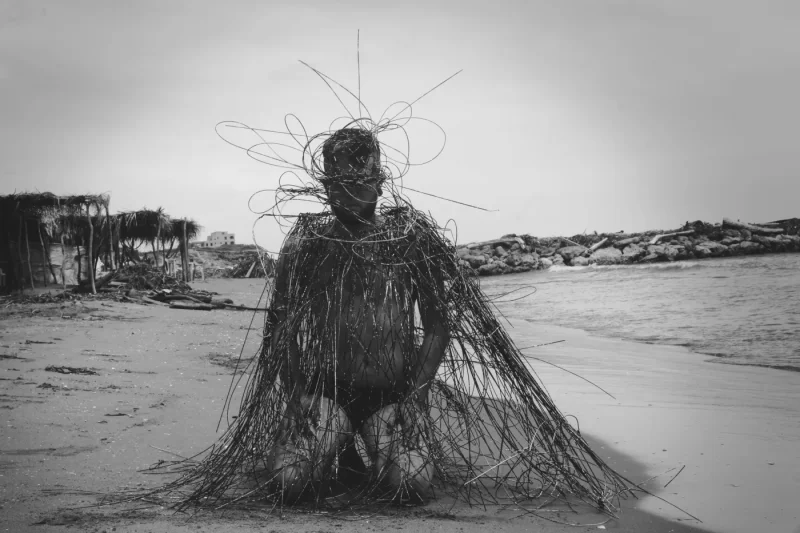
Infradesconexão: Praia do Futuro investigates layered histories and futures of global connectivity through Ceará, a territory shaped by submarine cables, data centers and recurring droughts. Through climatic microfictions, audiovisual works, embodied experiences, the project explores the material, ecological and political conditions of connectivity beyond nostalgic imaginaries of a frictionless network.

Selected for its timely and site-specific investigation of internet infrastructures, grounding internet history in place and inserting the knowledge into current political debate.

— Jury Statement

Ruy Cézar Campos

Ruy Cézar Campos is an artist-researcher living between Rio de Janeiro and Fortaleza, Brazil, working across art, technology, media infrastructures, and climate. His practice explores digital data flows, extractivism, and media ecologies through video, performance, and research-based approaches. His work has been presented at the XIII Havana Biennial; Take Me to the River at Hamburger Bahnhof; Verbo Performance Art Festival at Galeria Vermelho, São Paulo; San Francisco Art Fair and Seattle Art Fair, among others. He holds a PhD in Media Studies from the State University of Rio de Janeiro (UERJ) and an MA in Arts from the Federal University of Ceará (UFC). Currently is a postdoctoral researcher at the Fluminense Federal University (UFF), supported by a FAPERJ fellowship.

ruycezarcampos.com infradesconexao.art/en e-flux.com/southern-imaginaries-of-digital-infrastructures 

𰂆Z 𰅘𰀅𰁉𰁹𰅦
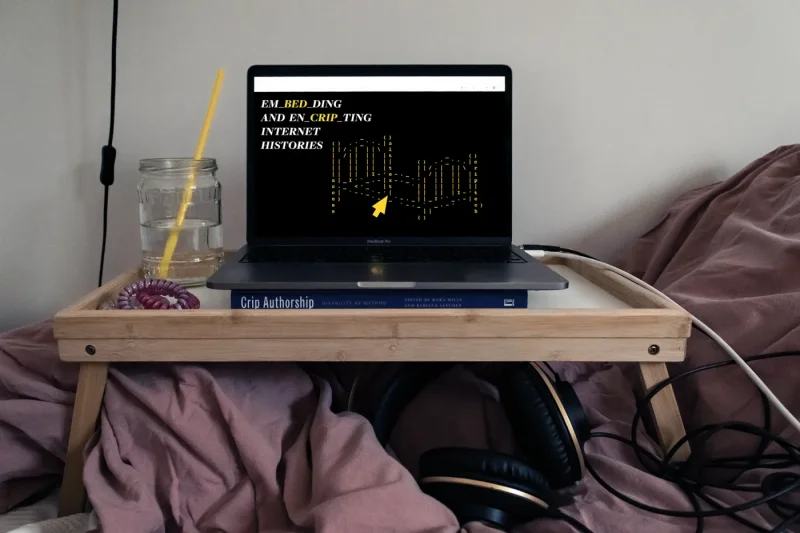
EM_BED_DING AND EN_CRIP_TING INTERNET HISTORIES

Iz Paehr: EM_BED_DING AND EN_CRIP_TING INTERNET HISTORIES

Em_bed_ding and en_crip_ting internet histories commits to em_bed_ding forgotten stories of crip internet activism into the well known fabric of the WWW. Building on the bed as a site of crip imagination from which disabled people create and enter online worlds, the resulting website artwork engages en_crip_tion by making selected community information only legible to those familiar with access tech such as alt texts.

Selected for shifting netstalgia through crip and disabled histories of access, the urgency of this project lies in creating much needed perceptibility of crip online activism in which disabled people are presented as the hackers and makers of tech that they are.

— Jury Statement

Iz Paehr

Iz Paehr is a disabled artist-designer working at the intersection of tactile access, critical technological practice, and trans*feminist world building. Starting from access knowledge, they challenge, hack, and reinvent socio-technical systems. In Iz’ work, disability becomes both a motor for creativity and an epistemic position from which aesthetic practices emerge. They develop experimental tools and multisensory environments informed by crip theory, Disability Justice, and critical design practices. Iz lives in Berlin and can be found online at izpaehr.xyz.

izpaehr.xyz instagram.com/izpaehr 

𰄓𰅀𰄣G 𰆆𰅲A𰄲
Massive multiplayer online role-playing game

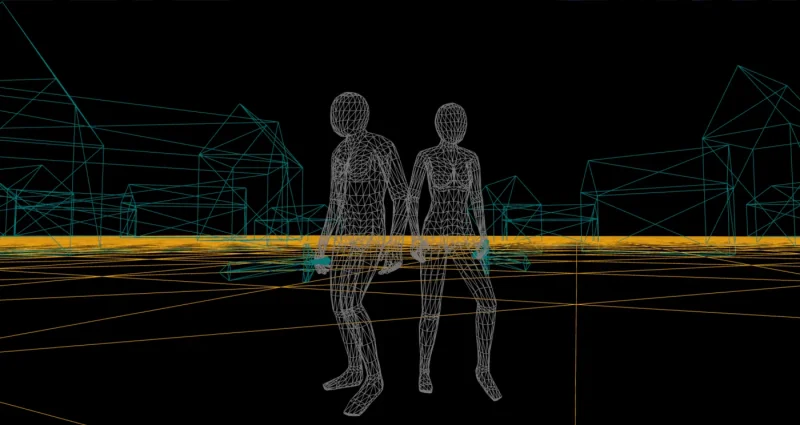
Long Tran: Massive Multiplayer Online Role-Playing Game

Massively Multiplayer Online Role-Playing Game is a game and research project reconstructing the Wu Xia MMORPGs that shaped a generation of Vietnamese players across the 2000s and early 2010s, stripped of worldbuilding, lore, and cultural facade until only the bare system remains. It sets the virtues of the Wu Xia tradition — status earned through discipline and honour — beside the logic of the games built on it and leaves the contrast for the viewer to read.

Selected for its playful, formally driven, and culturally embedded investigation of the inherited conservative logics that shape online spaces.

— Jury Statement

Long Tran

Long Tran is an artist-researcher from Vietnam. His practice develops his own approach to "meaningful play": interactive installations, simulations, and game-like systems that use play as a research method. Drawing on video games, emergent systems, East Asian metaphysics, and alternative interfaces, his work examines how humans construct meaning, belief and agency within systems. He treats interactive media as a research instrument for exploring how people relate to rules, uncertainty, symbolic authority, and machine-generated worlds. Before pursuing his independent practice, Long worked in commercial video games and advertising — experiences that continue to inform his work while motivating his effort to reclaim game-based media as a serious form of knowledge-building.

instagram.com/longtrancreates 

Y𰆙𰁠𰁅𰄣G 𰈦𰁷A𰅁 & 𰅧𰂒𰀩𰂂𰀀𰅦𰀲 𰄖𰁇W𰁉𰂒 𰂄𰆙𰀅𰄤𰁩
(AKA SW𰂆T𰀩𰂄ER𰂇𰆀T𰂒𰀠 𰆆𰁅LECO𰄡M𰆙N𰂇𰀡ATI𰅁𰄨S)
bundleware

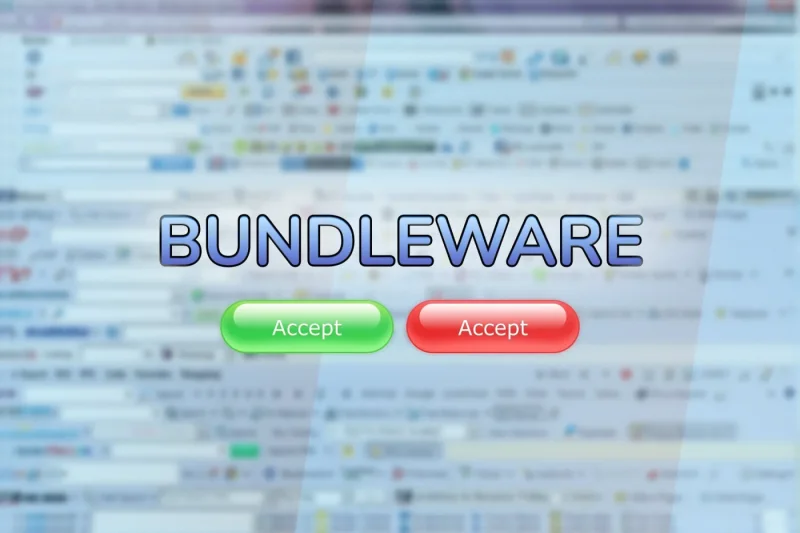
Yufeng Zhao & Richard Lewei Huang (aka Switcheristic Telecommunications): Bundleware

Bundleware is a Chrome extension that installs eight reimagined vintage early-2000s browser toolbars onto the user’s browser. The toolbars track every page the user visits and will respond to the user’s actions in ways that satirize the modus operandi of these toolbars in the early 2000s: providing users with nominal convenience while harvesting user data for profit, which prefigures the extractive logic of contemporary “AI-enabled” browsers that convert everyday user interactions into data streams for behavioural advertising and AI training.

Selected for exposing the continuity between early Internet features and today’s AI applications as repeating systems of surveillance and profit in a humorous way.

— Jury Statement

Yufeng Zhao and Richard Lewei Huang (a.k.a. Switcheristic Telecommunications)

Switcheristic Telecommunications is a collaboration between media artist and technologist Yufeng Zhao and researcher and media artist Richard Lewei Huang. Yufeng Zhao is a media artist and technologist whose work addresses data, imagery/language processing, and experience design, exploring unexpected connections embedded in our techno-cultural landscape and the interactions between humans and machines. He is currently a masters student at MIT Media Lab. His website is https://yufengzhao.com.

Richard Lewei Huang is a researcher and media artist. He studies web archiving and web history, with a focus on creative approaches in interpreting and preserving historical computing artifacts, and forensic methods in web archive analytics. He is currently a PhD candidate at the University of Washington’s Information School. His website is https://lewei.me.

switch.tel instagram.com/swtch.tel instagram.com/hallucitalgia instagram.com/lewei.huang 
Spinning footer logo on scroll
Error 417
𰁁􀅾𰅙𰁔C𰆈ATI𰅉N F𰀈𰂐𰄘𰁐D