Error 406
T𰁆𰀡𰁶 F𰀁𰅴𰀩IS𰄢
Not Acceptable
In May 2025 we launched our first call for artistic projects: instructions, scores, how-tos, interventions and practices against tech fascism. 13 projects were selected by the jury – Hito Steyerl, Nora O’Murchú, and Sam Lavigne – and presented in the online exhibition 13 Scores Against Tech Fascism.
This call for resistance was about finding ways to challenge the current systems with the means available: misdirection, opting out, and pushing back. Resisting in solidarity with others and carving out spaces in which we can develop technological systems that align with collective needs rather than exploiting us.
Linked Articles
13 S𰀠𰅃𰅦𰁖𰅴 𰀅𰁩𰀀𰂔N𰅸𰆆 𰆄𰁒𰀡𰁷 𰁡𰀄𰅵𰀥𰂔𰅶M
Online Exhibition now live!
The exhibition presents 13 projects selected by the jury Hito Steyerl, Nora O’ Murchú and Sam Lavigne, through the open call Error 406 [Tech Fascism] Not Acceptable, initiated by Error 417 Expectation Failed in 2025.
A𰄨𰆅𰂒𰁠𰀀𰅵𰀧𰂐S𰄢: 𰄣𰅅𰈄. x 13 S𰀠𰅃𰅦𰁖𰅴 𰀅𰁩𰀀𰂔N𰅸𰆆 𰆄𰁒𰀡𰁷 𰁡𰀄𰅵𰀥𰂔𰅶M
13 Scores Against Tech Fascism exhibited at Lothringer 13
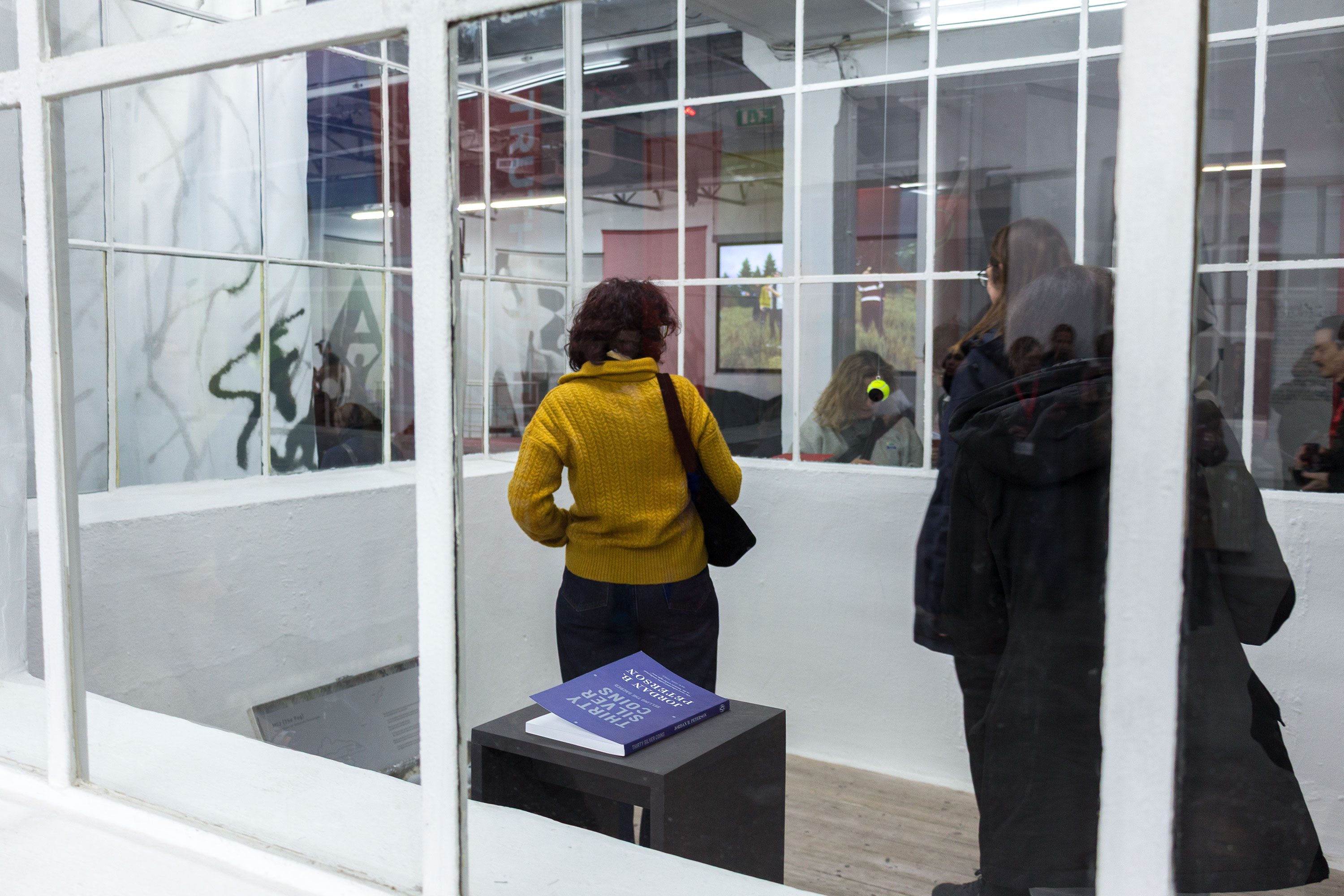
Our online exhibition and the 13 Scores Against Tech Fascism is being presented within the exhibition 'Antifascism: Now' at Lothringer 13 in Munich.
Error 406
T𰁆𰀡𰁶 F𰀁𰅴𰀩IS𰄢
Not Acceptable
Selected Projects
13 projects were selected through the open call Error 406 [Tech Fascism] Not Acceptable. The projects explore very immediate, poetic, and humorous forms of resistance, refusal, and subversion that push back against tech fascism.
R𰁉𰁠𰆒𰅸𰂈𰄱𰁩 𰆄𰁇C𰂀 𰁡𰀁𰅴𰀥𰂆SM
An essay on Refusing Tech Fascism by writer and sociotechnologist Jürgen Geuter aka @tante, commissioned within the call for projects Error 406 [Tech Fascism] Not Acceptable.
An essay on how the current state of technology enables a new quality of fascism by writer and sociotechnologist Jürgen Geuter aka @tante, commissioned within the call for projects Error 406 [Tech Fascism] Not Acceptable.
𰅁𰂄 𰄡𰀀𰄲!
An essay by writer and cultural theorist Ana Teixeira Pinto on "Aggrieved Masculinity, Silicon Valley and the New Far Right", commissioned within the call for projects Error 406 [Tech Fascism] Not Acceptable.
An essay on Aggrieved Masculinity, Silicon Valley and the New Far Right by writer and cultural theorist Ana Teixeira Pinto, commissioned within the call for projects Error 406 [Tech Fascism] Not Acceptable.
T𰁆𰀡𰁶 F𰀁𰅴𰀩IS𰄢
NOT ACCEPTABLE
We are looking for 10 scores against tech fascism. Artists, curators, and collectives worldwide are invited to apply with project ideas that must be realized as a set of instructions, scores, how-tos, or interventions, and will be featured in an online exhibition organized by Error 417 Expectation Failed.
𰅵𰁅L𰁉𰀡𰆅𰁒D 𰅖𰅱𰅂𰂙E𰀩𰆆S
We received an overwhelming number of 430 submissions from around the world, and are happy to announce the selection of 13 projects by artists and collectives based in Austria, Brazil, France, Georgia, Germany, Mexico, Rojava, Turkey, Taiwan, the UK, and the USA. These projects, selected by our jury Hito Steyerl, Nora O’Murchú, and Sam Lavigne, will receive a total of €50,866 in support and will be featured in an online exhibition in winter 2025/26.
𰄴𰄣L𰂆N𰁅 𰁉𰈒𰂄I𰀖𰂐𰆆𰂆𰅆N
13 Scores Against Tech Fascism
13 Scores Against Tech Fascism is an online group exhibition that presents 13 projects selected through the open call Error 406 Tech Fascism Not Acceptable, initiated by Error 417 Expectation Failed in 2025.
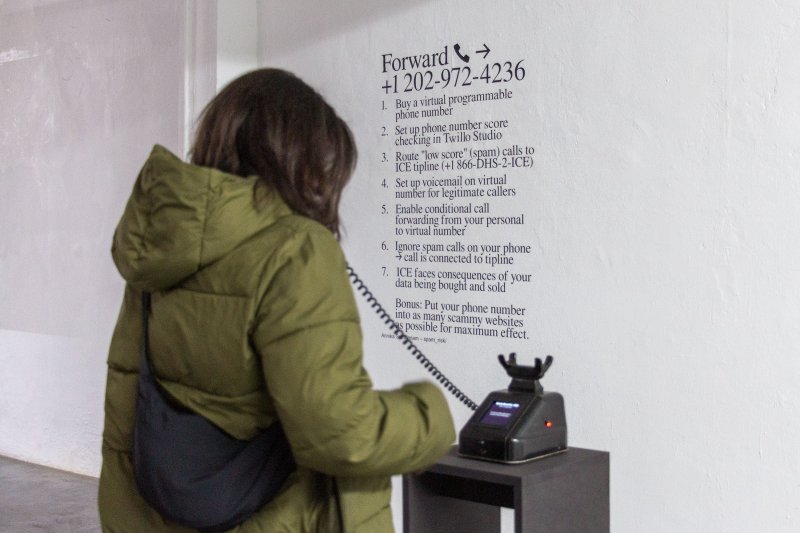
The 13 Scores Against Tech Fascism are situated in very specific contexts; they range from interview protocols exposing the absurd principles guiding tech company leadership, to speculative blueprints of a DIY rocket for disrupting the White House’s Wi-Fi; from a step-by-step guide for turning tennis balls into protest devices to instructions for spamming the ICE hotline or even for using Trojan-horse tactics such as placing left-theory texts inside Jordan Peterson book covers in public libraries. More community-focussed project scores include instructions for producing and distributing mesh devices and building alternative collective tech infrastructures; from open calls for joyful dance events to transforming recipes used to mask censorship into forms of community activation. Some projects show us easy tricks on how to make our texts too dirty to train large language models, while others build poetic tools for Taiwanese speakers to hide meaning from state sanctioned speech.
Understood this way, the scores operate as frameworks for action. They address intimate, everyday shifts or propose strategies meant to be shared, repeated, and adapted by others. Rather than demanding compliance, these instructions invite participation, interpretation, and refusal.
In collaboration with Kunstsurfer, the online exhibition 13 Scores Against Tech Fascism runs on a browser add-on that recognises advertisements and replaces them with artworks. Download the add-on here.
Antifascism: Now. x 13 Scores Against Tech Fascism
The online exhibition 13 Scores Against Tech Fascism is part of the group show 'Antifascism: Now.', a project dedicated to contemporary antifascist cultural practice, at Lothringer 13 in Munich from 30 January until 31 July 2026. In addition to showing the online exhibition on a screen, all 13 project scores are featured as wall texts throughout the exhibition space.
Error 417 Expectation Failed was also invited to contribute to the opening symposium of the exhibition with the panel discussion Error 406 Not Acceptable — Scores Against Tech Fascism' on Sunday, 1 February 2026.
𰅅P𰁐N 𰀠A𰄑L
Tech Fascism Not Acceptable
From surveillance systems and algorithmic decision-making to the emerging influence of AI, authoritarian technologies are not just tools — they are systems of control, exclusion, and manipulation that are deeply embedded in the very systems we interact with daily.
We must therefore ask: How does tech fascism affect us? How can we refuse, intervene in, or sabotage fascist systems? How can practices of civil disobedience be shared and brought to the mainstream? What role can art play in these acts of resistance?
Artists, curators, and collectives worldwide were invited to apply with project ideas, instructions, how-tos, interventions and practices that engage with the contemporary condition.
Jury & Selection Criteria
Read more about the selection criteria and the jury consisting of Hito Steyerl, Nora O’Murchú, and Sam Lavigne.
𰁉𰅵𰅶A𰈔𰅹
To contextualize the call's topic, the foundation commissioned two essays by cultural and media theorists Ana Teixeira Pinto and tante.